
Introduction to a Shifting World Order
As the world approached 2025, the global political climate was marked by significant transformations and challenges. Climate change agreements like the Paris Agreement highlighted international efforts to curb emissions, yet cooperation remained elusive. The geopolitical landscape was further complicated by events such as Myanmar’s military coup in 2021, which disrupted regional stability, and the ongoing geopolitics of oil shaped by the Ukraine conflict.
Simultaneously, the rise of technology influenced governance, with governments worldwide embracing AI integration and modernizing public services. These developments set the stage for a new world order, where international alliances and power dynamics would be redefined.
The Rise of New Global Powers
Economic Influences
By 2025, the global economic landscape has witnessed significant shifts, with countries like India and South Korea rising as influential players. India’s robust economic growth is supported by its healthy demographic foundation, while South Korea continues to build on its successful economy despite demographic challenges. Meanwhile, the U.S. trade policy transformation has redefined economic power dynamics, with tariffs increasing to 3.5%-4.0% by 2025, affecting trade relationships globally.
Military Influences
On the military front, China and Japan have emerged as formidable powers. China’s established status as a first-rate military power is complemented by strategic ties with Russia, despite lacking firm alliances. Japan, on the other hand, has linked its economy closely with its defense capabilities, bolstering its military influence. These shifts underscore the changing dynamics of military power, as countries adapt to new geopolitical realities.
Reformation of Existing Alliances
As the world entered 2025, significant shifts in global alliances began to take shape. The United Nations embarked on the ambitious UN80 reform initiative, designed to streamline its operations amidst a financial crisis. This initiative aims to reduce the core budget by 15%, impacting thousands of jobs and necessitating continued engagement from powerful nations such as the United States.
In contrast, NATO’s structure remained largely unchanged, focusing on its existing frameworks such as the NATO Military Committee and the International Military Staff. However, its strategic priorities shifted towards cyber and digital transformation, reflecting the evolving security landscape.
| Alliance | Pre-2025 Structure | Post-2025 Focus |
|---|---|---|
| NATO | Existing military and political frameworks | Cyber and digital transformation |
| UN | Traditional peacekeeping and aid operations | Streamlined operations, reduced budget |
While detailed information on new international policies or agreements in 2025 remains limited, these structural and strategic shifts within major alliances underscore the dynamic nature of international relations during this period.
Unexpected Partnerships Formed
By 2025, the geopolitical landscape witnessed a dramatic reconfiguration with the emergence of unexpected alliances that defied traditional diplomatic norms.
- Russia, Iran, and North Korea: This trio has significantly deepened their security cooperation. According to experts, “Their collective anti-Western stance has been a pivotal factor in uniting them against common adversaries.”
- BRICS+ Coalition: What began as an economic coalition has expanded, including nations like Iran and the UAE. The coalition seeks to counter Western dominance and reduce reliance on the US dollar.
- China-Taiwan Tensions: Although not an official alliance, tensions in the region have led South Korea and Japan to rethink their security strategies, potentially leading to new alignments.
These partnerships are strategically motivated by a shared desire to challenge Western influence and enhance their own security and economic resilience. As one political analyst notes, “The world is witnessing a realignment of interests that could redefine the balance of power.”
Impact on Global Stability
As 2025 unfolded, the world experienced a multidimensional transition that brought both opportunities and challenges to international peace. On the positive side, new alliances fostered greater cooperation in energy security and AI governance, potentially leading to more stable and sustainable practices. This shift towards collaboration could enhance global resilience against economic shocks and foster innovation.
However, these changes weren’t without drawbacks. The rise of populist movements and political instability in over 70 countries have heightened tensions, complicating trade relationships and increasing protectionism. This has led to disruptions in global supply chains, with the Supply Chain 2024 scenario illustrating both increased efficiency and the risk of trade tensions.
Economically, the impact has been profound. Geopolitical risks have reshaped trade routes, notably affecting critical areas like the Red Sea, resulting in a decline in maritime traffic and economic repercussions. As countries navigate this new multipolar environment, balancing innovation and security remains a key challenge.
Public Perception and Media Coverage
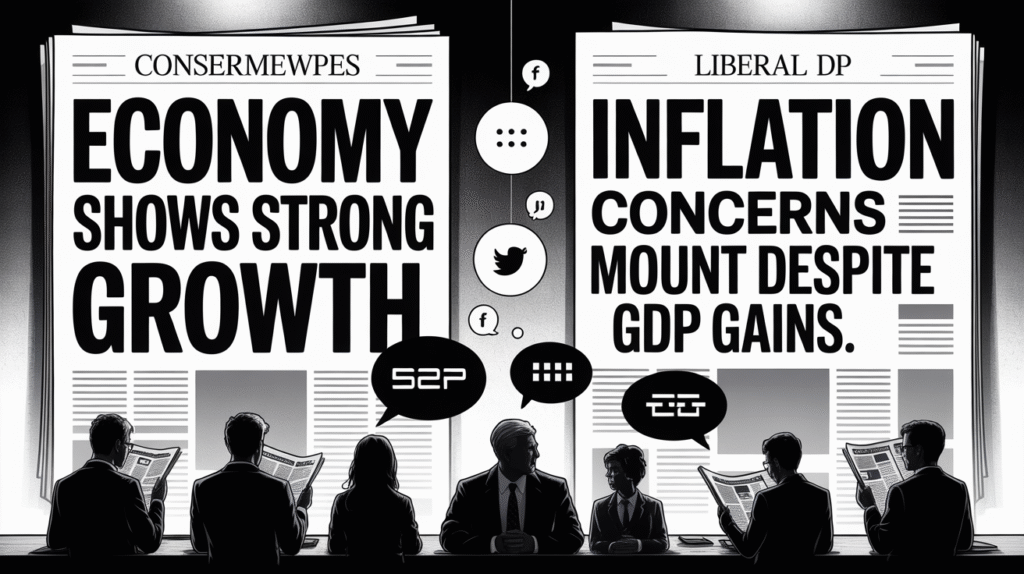
The transformative political shifts of 2025 were depicted through diverse media lenses, shaping public perceptions significantly. Media outlets employed data processing to tailor content, aligning coverage with audience interests. This led to varied portrayals of political events, influenced by factors like audience measurement and advertising interests.
In the U.S., media narratives often highlighted confrontations and personality dynamics, particularly surrounding the NATO Summit. Conversely, European media focused on strategic outcomes and the formation of alliances like the Weimar+ coalition.
Public opinion polls, such as those by Gallup, revealed a mixed response to these changes. The bar graph below illustrates public sentiment, highlighting shifts in political alignments and reactions to new alliances. While some embraced the evolving dynamics, others remained skeptical, influenced by media portrayals and historical polling trends. This complex media landscape underscores the crucial role of media in shaping international discourse and public opinion.
FAQs on 2025’s Political Shift
What were the major changes in international alliances in 2025? In 2025, several new alliances emerged, including the Weimar+ coalition between Germany, France, and Poland, which aimed to enhance collective security within NATO. Additionally, shifts in economic and military power led to new influential countries gaining prominence.
Did media coverage influence public perception of these changes? Yes, media portrayal significantly influenced public perception. Outlets used data processing to tailor content, potentially leading to biased reporting based on audience and advertiser interests.
Is it true that traditional alliances broke down completely? No, while there were significant changes, traditional alliances like NATO evolved rather than disbanded. The restructuring aimed to address new global challenges and enhance strategic alignment.
How did public opinion shift in response to these alliances? According to polling data, public sentiment was mixed, with some embracing the new dynamics and others expressing skepticism, influenced by media narratives.
Conclusion
The year 2025 was a turning point in international alliances, marked by the emergence of new global powers and reformation of existing structures like NATO. Unlikely partnerships were formed, driven by strategic interests and shifting economic and military balances. These changes had profound impacts on global stability, influencing both peace and economic landscapes.
Media coverage played a key role in shaping public perception, with data-driven strategies affecting how alliances were portrayed. Public sentiment, captured through polls, reflected both optimism and skepticism.
As we move forward, it’s vital to consider how these alliances will evolve further. The political landscape continues to shift, and understanding these dynamics will be crucial in navigating future global challenges.