
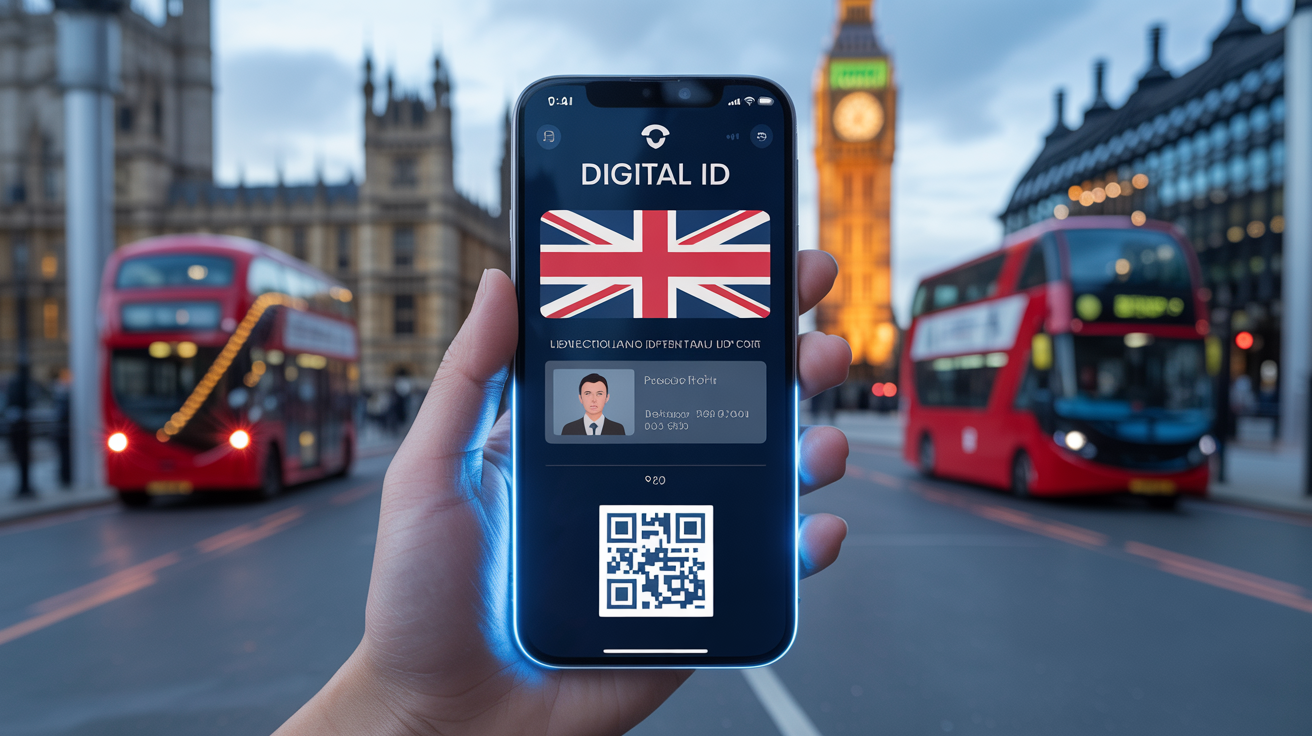
Introduction to Digital ID
A digital identity is a set of information linked to a user, machine, or entity within an IT ecosystem, enabling secure interactions and access control. Understanding the importance of digital ID is essential in today’s interconnected world.
In the UK, digital ID initiatives have evolved over nearly two decades, starting in the mid-2000s. However, efforts like the Verify project faced challenges that shaped the current focus on user control and transparency.
“Digital identity is crucial for secure access to online services, healthcare, and financial transactions.”
As online activities surge, digital IDs are vital for safeguarding against cyber threats and ensuring regulatory compliance. They also promote inclusivity, giving individuals access to essential services, thus highlighting their significance in modern society.
How Digital ID Works in the UK
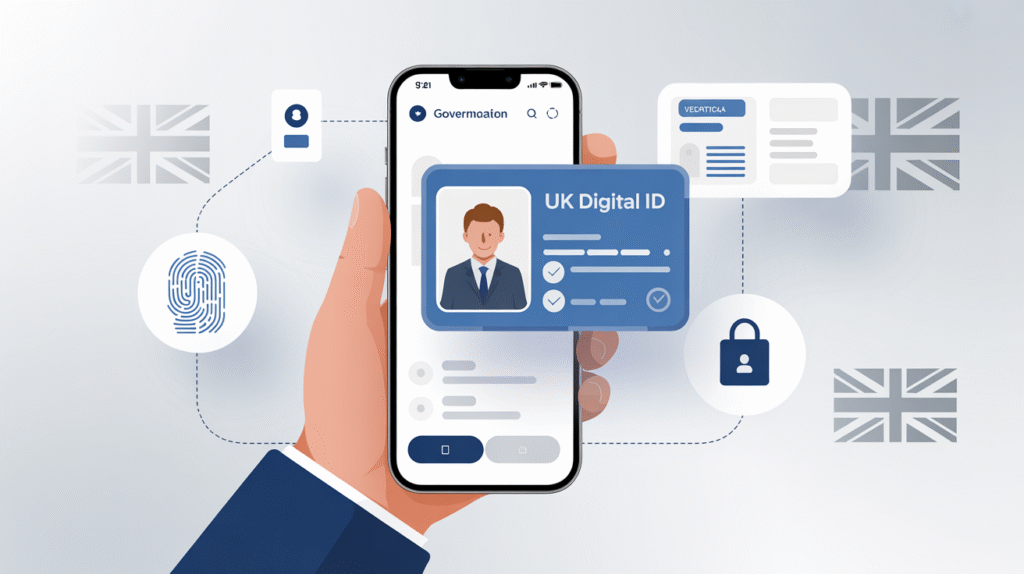
Key Components of Digital ID Systems
The UK’s digital ID system is structured to enhance identity verification and simplify access to services. Users’ digital IDs are securely stored on smartphones, containing key personal data such as name, date of birth, and a biometric photo. This system ensures security with advanced encryption, granting users control over their personal data.
Current Technologies and Platforms
To facilitate efficient identity verification, the UK explores cutting-edge technologies like biometric authentication and blockchain technology. Biometric traits such as fingerprints and facial recognition are employed to enhance security, while blockchain offers decentralized IDs with user-controlled data integrity. Mobile applications are central to this ecosystem, enabling secure ID management on smartphones.
Government Initiatives and Regulations
The UK government is actively developing frameworks to support digital ID systems. Initiatives like UK One Login aim to unify access to government services. Public consultations are also planned to refine the design of the digital ID system, ensuring it meets diverse user needs. A noteworthy development is the mandatory digital ID scheme, primarily for employment verification, marking a significant regulatory step.
| Platform | Technology | Use Case |
|---|---|---|
| UK One Login | Biometric Authentication | Government Services |
| UK Wallet | Mobile Application | Document Storage |
Privacy Concerns and Challenges
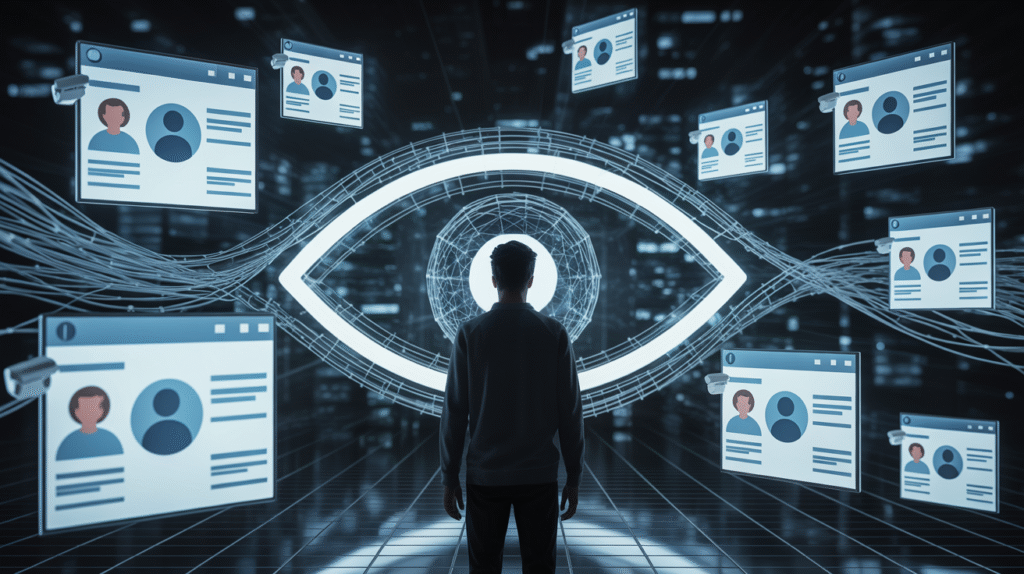
The introduction of digital ID systems in the UK is fraught with privacy concerns that demand scrutiny. One of the primary issues is the potential surveillance risks associated with state-controlled identification systems. The GOV.UK One Login system, a cornerstone of the digital ID initiative, has faced criticism for its security vulnerabilities. Incidents like the breach in 2022 highlight the threat of data breaches, endangering sensitive personal information.
Moreover, public perception poses a significant challenge. A petition against the digital ID, signed by over 2.9 million citizens, underscores widespread distrust and fear of increased surveillance. As privacy expert Jane Doe remarks, “The erosion of anonymity could fundamentally alter the dynamics of our society, chilling free expression and dissent.”
Trust issues are further compounded by the government’s handling of crises and the perceived lack of accountability in data handling. For many, the promise of digital identity services remains entangled in a web of suspicion, demanding a balance between innovation and protecting citizens’ rights.
Benefits of Digital ID
Digital ID systems are transforming how individuals interact with services, offering a multitude of benefits that enhance both security and efficiency.
- Increased Security and Convenience: With digital IDs, users can securely verify their identities using smartphones, eliminating the need for physical ID cards. This not only simplifies the process but also enhances security through features like cryptographic protections and tamper detection.
- Enhanced Access to Services: Digital IDs facilitate seamless access to various services. From applying for jobs to accessing government benefits, they streamline processes by securely storing identifying information in digital wallets. Countries like Sweden and India have demonstrated how digital IDs can transform service delivery, showcasing their real-world benefits.
- Potential for Innovation: As a pivotal component of modern governance, digital IDs drive innovation across sectors. They enable smoother interactions between citizens and institutions, promoting inclusion and economic growth. The UK’s digital ID initiatives aim to address challenges like illegal immigration while enhancing civil liberties, positioning digital ID as a critical tool for the future.
These benefits highlight the transformative potential of digital IDs in creating a more secure and efficient society, paving the way for further advancements.
Regulatory Landscape
Overview of UK Data Protection Laws
The UK’s digital ID framework is underpinned by robust data protection laws, notably the Data (Use and Access) Act 2025. This legislation ensures that only certified providers can access government-held data for identity verification, safeguarding user privacy and promoting data security.
Role of the ICO
The Information Commissioner’s Office (ICO) plays a pivotal role in overseeing digital ID systems. The ICO mandates compliance with the General Data Protection Regulation (GDPR) and encourages a collaborative approach to handling personal data, especially when utilizing technologies like blockchain.
International Standards and Compliance
Aligning with global standards is crucial for the UK’s digital ID systems. By adhering to international norms, such as those set by ENISA, the UK ensures its digital ID solutions are secure and interoperable across borders. Emphasizing cybersecurity and risk management, these standards help mitigate potential threats and foster public trust.
This regulatory landscape not only fortifies the legal framework but also positions the UK as a leader in digital identity innovation, balancing security with user privacy.
FAQ on Digital ID in the UK
What is a Digital ID?
A Digital ID is a certified credential, verified by a trusted authority, allowing individuals to prove their identity online securely and instantly. It’s stored in a digital wallet.
Are Digital IDs government controlled?
No, Digital ID apps are voluntary and not controlled by the government. Users can opt in or out at any time, maintaining their autonomy.
Do Digital IDs create a surveillance society?
Digital IDs are designed to enhance privacy and security, not to enable surveillance. User data is not tracked or accessed by third parties.
What technical aspects should users understand?
Digital IDs are stored on smartphones with advanced encryption, ensuring data protection. Users control the data shared, complying with UK data laws.
Are there any misconceptions about privacy and security?
Yes, Digital IDs are more secure than physical ones, only sharing necessary information and offering strong protection against identity theft.
This FAQ aims to clarify common concerns and technical details, ensuring the public is informed about the benefits and security of Digital IDs.
Conclusion
In summary, Digital IDs offer significant advantages, including enhanced security and streamlined access to services. However, privacy concerns and the potential for misuse remain pivotal challenges. As the UK continues to develop its national digital ID scheme, it’s crucial to maintain a balance between leveraging these benefits and safeguarding user privacy.
Looking ahead, the integration of advanced technologies will likely expand the usability and acceptance of digital IDs, fostering innovation across various sectors. The ongoing public consultation ensures that public trust and inclusion are prioritized.
Ultimately, a well-regulated digital ID system can transform identity verification, provided privacy concerns are addressed with transparency and robust data protection measures.